Social listening is a tactic that’s not unheard of. Quite a number of brands use it these days and even more consider trying it out in the near future. However, for many, the step-by-step process of social listening remains unclear.
This article aims to answer the most burning questions about social listening:
- What is a keyword?
- Which keywords should you monitor?
- How do you get relevant and comprehensive results instead of all the noise that the Internet is filled with?
What is a keyword?
As we know, social listening is a process that requires a social media listening/social media monitoring tool (e.g., Awario, Mention, Brandwatch). The first thing you do when you open the app is entering keywords to monitor.
Keywords are the words that describe best what you want to find on social media platforms and the web. A keyword can be one word (e.g. “Philips”), two words (e.g. “Aleh Barysevich”), four words (e.g. “search engine optimization tool”), etc. Each one of these examples presents one keyword. After you typed in your keyword(s), the tool will search for mentions of these keywords and collect them in a single place.

Which keywords should you monitor?
You can monitor absolutely anything. You can monitor the keywords “Brexit” or “let’s dance” or “hello, is it me you’re looking for”. However, in terms of marketing purposes, there are six main types of keywords that you are most likely to monitor. They are:
1. Brand/company
2. Competitors
3. Person
4. Campaign
5. Industry
6. URL
Now let’s go through each type together to make sure you understand the goals behind monitoring these keywords and how to get the most out of them.
1. Brand/Company
Monitoring your brand/your company is essential in most cases. While the goals of social listening can be very diverse (reputation management, brand awareness, influencer marketing, customer service), most of these goals require listening to what people say about your brand.
To make sure you don’t miss any valuable mentions, include common misspellings and abbreviations of your brand name as well.
In case your brand name is a common word (e.g. “Apple” or “Orange”) make sure to choose a tool that gives you an option to introduce “negative” keywords. These would be keywords such as “apple tree”, “apple juice”, “apple pie”. Excluding them from your search will help get mentions of Apple the brand only. Any tool that has a boolean search option will also save you from tons of such irrelevant mentions.
2. Competitors
Pick a couple of your main competitors (or even just one), and enter their brand/company name as a separate project. There’s a good reason for that: Questions and complaints directed at your competitors can be replied by your social media manager first. They could explain why your brand is better/doesn’t have specific problems that your competitor does. This is social selling, a process of finding hot leads on social media.
Most social media monitoring tools also let you compare how your brand is doing on social media against your competitor’s brand. This can be useful for tracking your progress and discovering new ideas.
For example, knowing which social networks, which locations, and what time slots get your competitor more attention could help you upgrade your social media strategy. Knowing how their campaigns, social media posts, and product releases perform could help you improve your own plans, and avoid some mishaps.
3. Person
The CEO of your company might not necessarily be the company’s face or even a public persona at all. However, if reputation management is one of your goals, monitoring mentions of the CEO are important. Their actions on social media could easily attract attention and cause a social media crisis. Also, you’ll know straight away about any publications that mention your company’s CEO.
Same, of course, goes for any other people in the company.
4. Campaign
It’s crucial to monitor marketing (and other) campaigns as well as product launches. Reactions on social media happen very quickly. Only by monitoring such events in real time, you’ll know straight away if it’s going well or not, if it’s working at all, and if there are problems that you might’ve not noticed while creating the campaign. The earlier you know how the reality is unfolding, the better. To monitor a campaign, enter its name if it has one, its slogan, and/or its hashtag as a keyword.
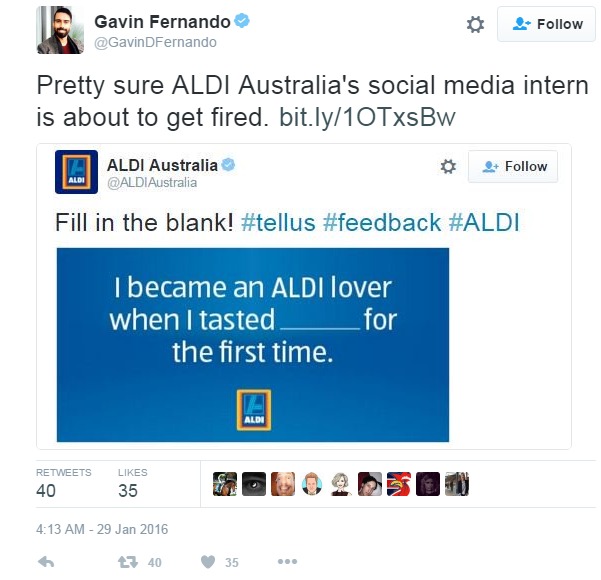
It’s important to understand that there are loads of marketing campaigns that have caused serious problems for the companies. Something that could’ve been avoided with social media monitoring.
5. Industry
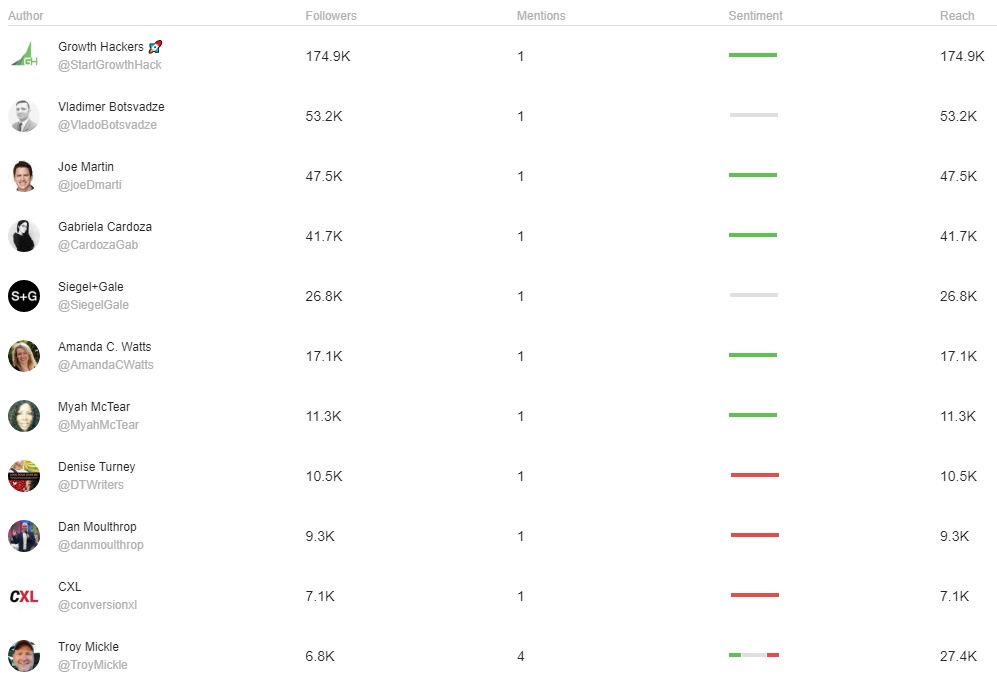
Not in every industry can you monitor the so-called “industry keywords”. However, if you can, these are the source of endless opportunities. Most of these are in the realms of social selling, brand awareness, and influencer marketing.
For example, if your product is a productivity app, this would be your keyword “productivity app”. Include a couple of synonyms and words such as “looking for”, or “can anyone recommend” and you’ll get mentions from people that look for a product like yours. Specify the language and the location to get more relevant results.
With a social media monitoring tool that finds influencers, you can go to the list of influencers that is built around your industry keywords and choose the ones to work with.
6. URL
Monitoring your brand by excluding your brand’s URL (which is possible with a social media monitoring tool) is important for SEO purposes. It’s a big part of link-building. All you have to do is find mentions of your brand that don’t link to your brand, reach out to the author, and ask for a link. In most cases, the authors wouldn’t mind adding the link to your site.
Besides, you can monitor competitors’ URLs. This will give you a list of sources where they get links from. It’s only logical that if the author is interested in the niche and is willing to write about your competitor, they probably wouldn’t mind reviewing your product as well.
Conclusion
There’s a lot you can do with social media monitoring. All you have to do is start. Starting is the hardest part. Then, appetite, ideas, and knowledge come with eating. Hopefully, this article gave you a clear idea of where to start.
Aleh is the Founder and CMO at SEO PowerSuite and Awario. He can be found on Twitter at @ab80.
The post Social listening 101: Six crucial keywords to track appeared first on Search Engine Watch.
from Search Engine Watch https://ift.tt/2UQ6TVU
Comments
Post a Comment